
Entertainment
Princess Margaret Suffered From Secret Condition, New Book Claims
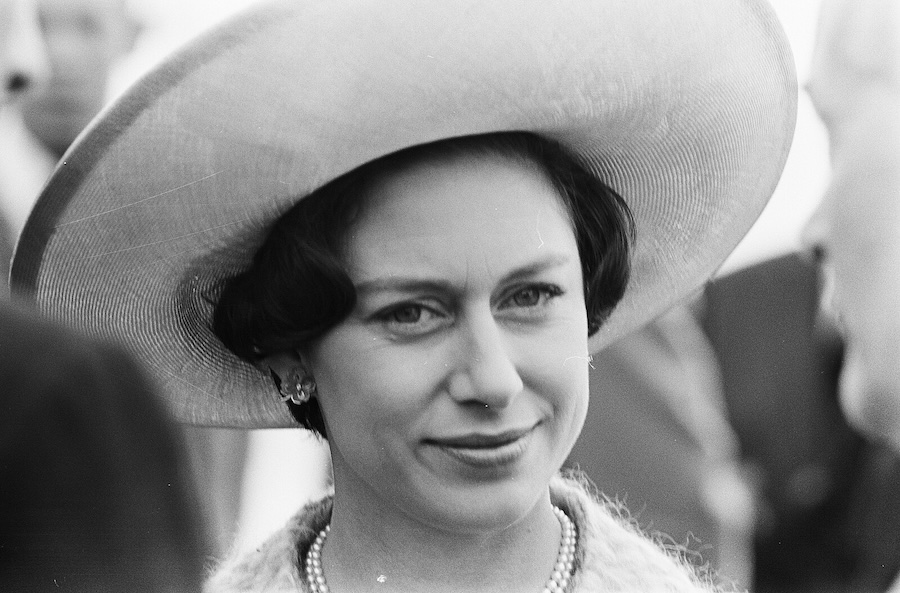
A new biography claims that Princess Margaret may have lived her entire life with an undiagnosed condition—fetal alcohol syndrome (FAS)—allegedly caused by her mother’s drinking during pregnancy.
In Princess Margaret and the Curse: An Inquiry into a Royal Life, Pulitzer Prize-nominated biographer Meryle Secrest presents a controversial theory: that the Queen Mother’s drinking habits may have impacted Margaret before she was even born. The book is slated for release on September 9.
Secrest writes that Princess Margaret, born August 21, 1930, could have developed fetal alcohol syndrome due to alcohol her mother, Elizabeth Bowes-Lyon, reportedly consumed while pregnant. The book claims the Queen Mother regularly enjoyed gin and Dubonnet, wine, port, and evening martinis—even while pregnant—at a time when the risks of drinking during pregnancy were not yet medically recognized.
While she showed no facial features typically associated with FAS—such as a smooth philtrum or smaller-than-average eye openings—Secrest argues that Margaret demonstrated many behavioral and neurological signs associated with the disorder. Among them: mood swings, impulsivity, poor emotional control, and even a disturbing indifference to physical danger, including the time she reportedly let her hair catch fire without reacting.
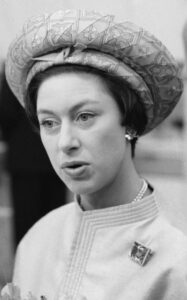
Princess Margaret, Countess of Snowdon (1965)
Secrest points to Margaret’s height—roughly 5 feet 1 inch—as evidence of stunted growth, another FAS marker. She also details episodes of academic difficulty, migraine headaches, and a reported nervous breakdown in 1974. Secrest believes these could all be signs of neurological impairment tied to prenatal alcohol exposure.
The author also cites early descriptions from royal staff and nurses. One in particular, Marion “Crawfie” Crawford, referred to Margaret as “naughty,” a word that Secrest suggests was a polite way of describing erratic or challenging behavior often seen in children with FAS.
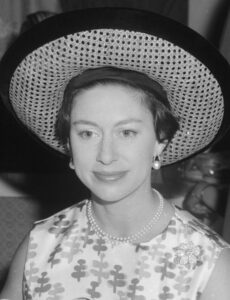
14 May 1965
Importantly, fetal alcohol syndrome wasn’t even a recognized diagnosis until 1973—decades after Margaret’s birth. The book argues that because the condition was unknown in the 1930s, even signs that may have pointed to FAS would have gone unnoticed or been blamed on personality or privilege.
Before the 1970s, Alcohol use during pregnancy wasn’t widely seen as dangerous. In fact, many doctors and the public were unaware of any risks.
However, critics are pushing back hard on the theory. No medical records or direct evidence support a formal diagnosis of FAS for Princess Margaret.
Additionally, while the Queen Mother’s drinking was well-documented socially, there is no conclusive evidence that it was excessive or harmful during pregnancy. A 1925 letter suggests she avoided wine during her first pregnancy with Queen Elizabeth II, but no similar caution is mentioned for her second.
Despite the lack of a clinical diagnosis, Secrest’s claim is likely to stir conversation. Secrest’s central argument is that what many saw as reckless or difficult behavior may have been symptoms of an “invisible neurodevelopmental condition.”
Margaret became one of the most glamorous and talked-about royals of the 20th century. She often drew media attention for her high-profile romances, especially her relationship with Group Captain Peter Townsend, which stirred public controversy due to royal protocol at the time.
In 1960, she married photographer Antony Armstrong-Jones, who was later made the Earl of Snowdon. They had two children, David and Sarah, but the marriage eventually ended in divorce in 1978.
Throughout her life, Margaret was known for her love of the arts, her strong presence in high society, and her reputation as a royal who didn’t always follow the rules. While she lived in the shadow of her older sister, she carved out her own legacy as a symbol of royal elegance and personal struggle. She faced several health issues later in life and passed away on February 9, 2002, at the age of 71.
