
Politics
Red State GOP Betrays Supporters, Upholds ‘Immigration Compact’ Giving Illegals A Leg Up
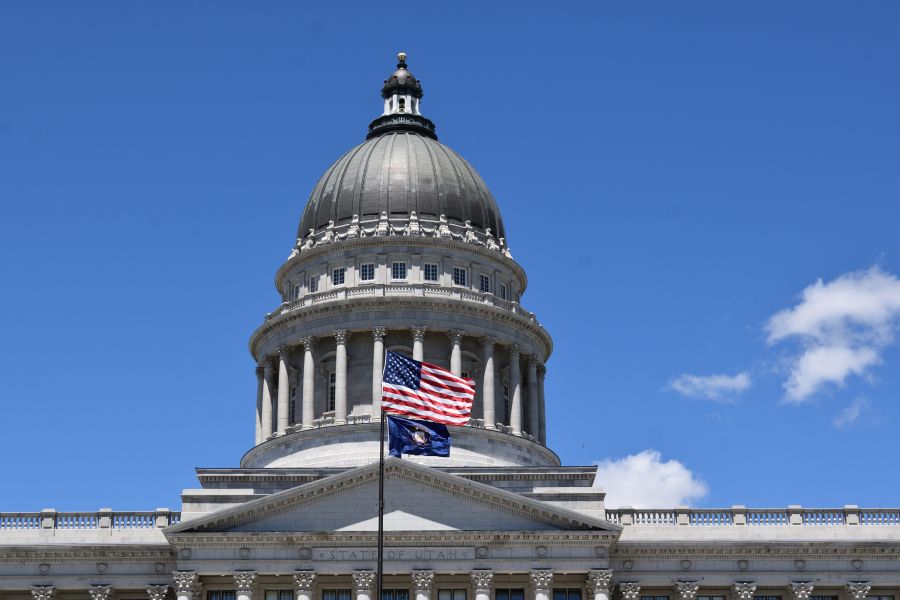
Utah Republicans closed out their 2026 legislative session by rejecting a House-backed push to dismantle the state’s controversial immigration framework — leaving critics fuming that GOP leaders in the deep-red state just protected policies they say give illegal immigrants a leg up.
After days of heated debate, Senate Republicans refused on the final night of the session to even consider a House bill that would have rolled back key pieces of the state’s long-standing “Utah Compact” immigration policy.
The decision effectively killed the proposal despite a narrow passage in the House just days earlier.
The outcome underscores a sharp divide inside the state GOP over how aggressively Utah should confront illegal immigration, even as the state’s illegal immigrant population has surged.
Estimates show roughly 180,000 illegal immigrants now live in Utah, about double the number recorded when community leaders re-signed the compact in 2019.
House Republicans had tried to break from the state’s 2011 immigration compromise in dramatic fashion last week, narrowly approving a bill that would dismantle parts of the compact’s core principle of economic integration for illegal immigrants.
But Senate leadership declined to take it up — along with several other House measures aimed at limiting illegal immigrants’ access to jobs, benefits, and financial services.
Republican Gov. Spencer Cox backed the decision to maintain the existing framework, arguing Utah must balance immigration enforcement with compassion.
“This is probably the No. 1 issue that’s on the minds of lots of Americans,” Cox said. “Because we had an administration that really screwed this up four years ago, and let far too many people across the border.”
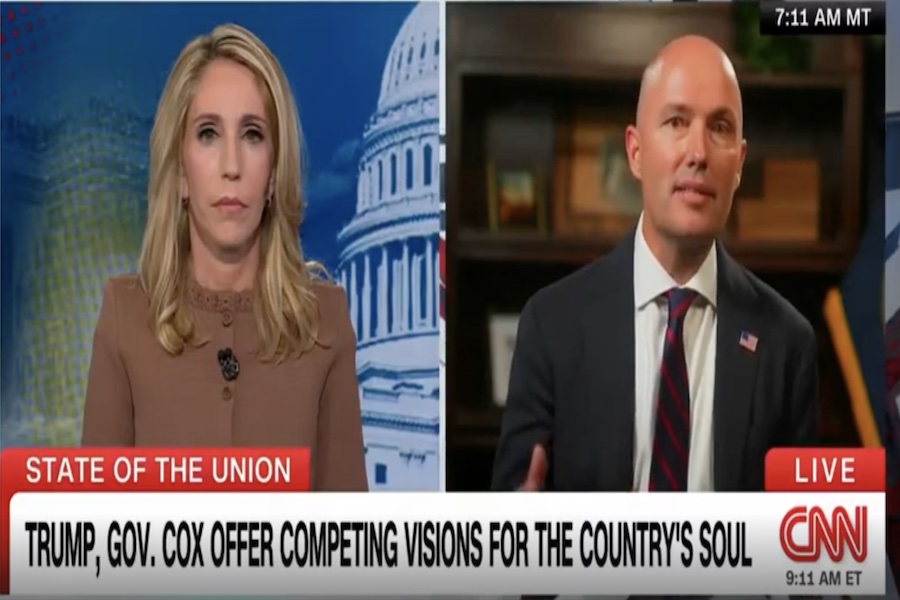
Utah Governor Spencer Cox on CNN. Cox has long been labeled a “RINO” by Republicans outside of Utah.
While broader reforms stalled, lawmakers did approve some narrower public safety measures tied to illegal immigration.
One bill, HB136, allows police officers to impound vehicles and use fingerprint scans to identify drivers who cannot provide identification after a traffic stop.
Officials say the measure addresses a growing problem on Utah roads.
Although overall car crashes have dropped statewide over the past five years, accidents involving unlicensed drivers have climbed sharply.
In West Valley City, unlicensed drivers now account for 35% of crashes and 45% of DUI arrests.
RELATED: Illegal Alien Savage Randomly Attempts To Drown A Woman At The Beach
Law enforcement agencies have also reported difficulty issuing citations to some drivers because they cannot be properly identified — a problem authorities say has contributed to several deadly highway crashes.
Another measure, HB118, requiring truck drivers to demonstrate English proficiency before operating large commercial vehicles, also cleared the Senate along party lines.
Still, several tougher immigration bills approved by the House never received a vote in the Senate.
Those included HB141, which would have taxed foreign money transfers sent by illegal immigrants; HB294, which would have expanded employment verification requirements for businesses; and HB386, which aimed to eliminate state subsidies available to illegal immigrants.
ALSO TRENDING: Trump To Withhold Millions From Dem-Controlled State Over Terrorist Trucker Scandal
HB386 was the most contentious of the proposals because it targeted one of the core pillars of the Utah Compact — a state-run migrant worker visa program that has never actually received the federal approval required to operate.
Rep. Trevor Lee, R-Layton, forced a dramatic vote on the bill last Friday after inserting provisions from another controversial proposal he sponsored earlier in the session.
Earlier versions of the legislation would have required taxpayer-funded programs to deny benefits to anyone unable to prove lawful presence in the United States. That language was stripped from the bill through a voice vote on the House floor.
Lee’s final version instead barred individuals who cannot prove legal residency from receiving in-state university tuition or subsidized home loans.
The measure narrowly passed the House 39-33.
But it went nowhere in the Senate because no senator agreed to sponsor it.
Senate President Stuart Adams, R-Layton, defended the decision, saying the bill attempted to dismantle a long-standing compromise without building support from the groups that helped create it.
“The bill does away with the Utah Compact,” Adams said.
“That compact was vetted by a lot of stakeholders many years ago,” Adams said. “If you don’t bring everyone back together, how do you actually wash away a compact without that type of effort?”
The Utah Compact, first crafted in 2011 and reaffirmed by community leaders in 2019, outlines five guiding principles on immigration policy.
Among them are recognizing federal authority over immigration, maintaining family unity, and encouraging immigrants to assimilate into society.
Utah House Speaker Mike Schultz acknowledged that the state has struggled to absorb the impact of record immigration in recent years.
Local resources and services were “overwhelmed” before the Trump administration shut down the southern border, he said.
But for now, the Legislature has opted to leave the compact intact — despite growing pressure from within the GOP to scrap policies critics argue make Utah a welcoming destination for illegal immigrants.
Download the FREE Trending Politics App to get the latest news FIRST >>
