
Politics
NEW: Iran Halting Ships In Strait Of Hormuz Despite Ceasefire
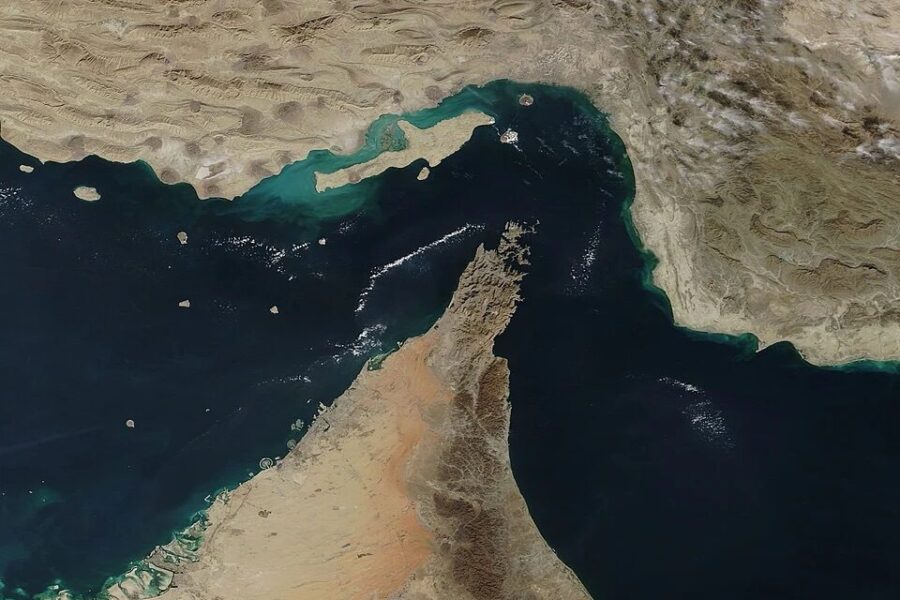
Iran moved Wednesday to choke off shipping through the strategically vital Strait of Hormuz, launched attacks on regional energy infrastructure and escalated pressure on U.S. allies as President Donald Trump’s newly announced ceasefire agreement with Tehran sparked fierce backlash from prominent Republicans and conservative allies.
Iran initially allowed two oil tankers to pass through the Strait of Hormuz early Wednesday as the two-week ceasefire with the United States took effect, according to Iran’s semi-official Fars news agency.
But hours later, the outlet reported that all passage through the waterway had been suspended, saying the move came “simultaneous with Israel’s attacks on Lebanon.”
Iranian officials also threatened to destroy any tanker attempting to cross the strait without approval, with the regime reportedly imposing transit tolls of up to $2 million per vessel.
The developments mark a major escalation in the global energy standoff, as the Strait of Hormuz serves as one of the world’s most critical oil shipping lanes.
RELATED: Iran Launches Missiles At Israel Immediately After Ceasefire
🚨 BREAKING: Iran SHUTS DOWN the Strait of Hormuz, state media says, blaming Israel for relentlessly attacking Hezbollah in Lebanon
Iran is THREATENING to resume hostilities.
President Trump is watching closely and we’re about to find out how long this lasts pic.twitter.com/0L3tGhrDbO
— Eric Daugherty (@EricLDaugh) April 8, 2026
Meanwhile, Saudi Arabia’s East-West oil pipeline, a major route carrying crude from the Persian Gulf to the Red Sea, was struck in a drone attack around 1 p.m. local time, according to the Financial Times.
Kuwait said its air defenses intercepted 28 drones in continued attacks targeting oil facilities, power plants, and water desalination infrastructure beginning at 8 a.m. Wednesday. The country’s military said the strikes remained ongoing.
The growing regional chaos came as Trump faces mounting criticism from parts of his own base over the ceasefire arrangement and a reported 10-point peace framework under discussion with Tehran.
Hardline pro-war “conservatives” have voiced alarm that the deal gives away too much while allowing Iran’s regime to remain intact.
Sen. Lindsey Graham called for Vice President JD Vance to testify before Congress after Vance reportedly helped lead last-minute peace talks brokered through Pakistan.
“The supposed negotiating document, in my view, has some troubling aspects, but time will tell,” Graham posted on X.
“I look forward to the architects of this proposal, the Vice President and others, coming forward to Congress and explaining how a negotiated deal meets our national security objectives in Iran.”
Rep. Don Bacon of Nebraska praised Trump for securing “significant victories” but cast doubt on the administration’s peace strategy and the president’s claims of “total victory.”
RELATED: Iran Launches Missiles At Israel Immediately After Ceasefire
“The government’s still in place and we should be negotiating from a position of strength, not a position that’s good for them,” he told CNN.
“They will work with Russia and China as soon as they can to start rebuilding their military. And they will be a threat five, six, seven, eight years down the road. And so, as long as this government’s in place, total victory has not been earned.”
Conservative activist Laura Loomer, a close Trump ally, predicted the ceasefire “will fail.”
“The negotiation is a negative for our country. We didn’t really get anything out of it and the terrorists in Iran are celebrating,” she wrote on X. “I don’t know why people are acting like this is a win.”
Radio host and aggressively pro-Israel commentator Mark Levin also warned against trusting Tehran despite backing Trump overall.
“This enemy is still the enemy; they’re still surviving,” he said of Iran. For years, Levin has advocated for a total obliteration of Iran and its power structure.
Iran later released what it claimed was the 10-point framework behind the proposed peace arrangement, demanding the United States recognize Tehran’s control over the Strait of Hormuz, accept its right to enrich uranium, lift all sanctions, provide compensation, and withdraw all American troops from the region.
Trump on Tuesday night described the terms as “a workable basis on which to negotiate.”
Download the FREE Trending Politics App to get the latest news FIRST >>
