
Politics
Secret US Iran Details Leak, Sparking New Alarm Over Middle East Deal
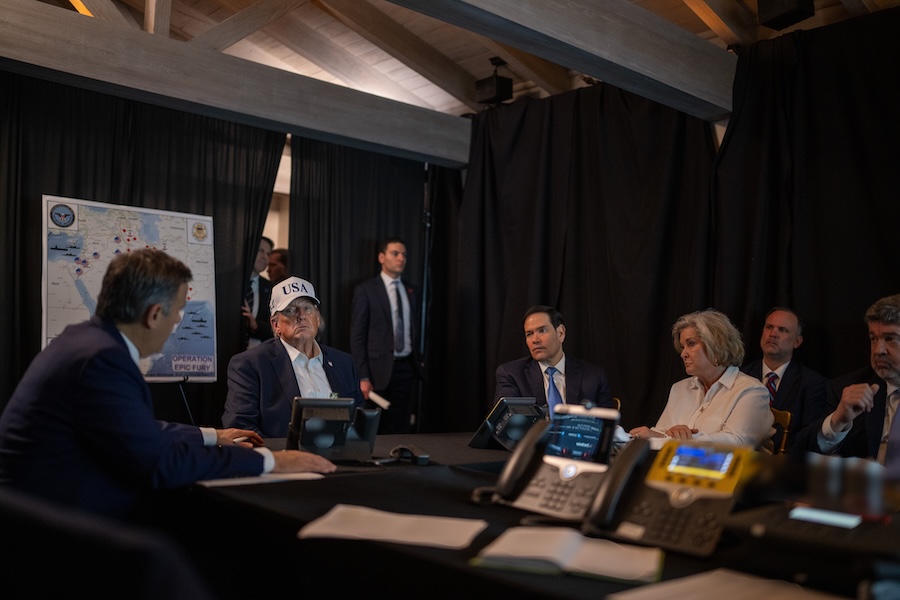
New details of the secretive U.S.-Iran memorandum of understanding (MOU) have begun to emerge, shedding light on what could become one of the most consequential diplomatic agreements in the Middle East in years.
According to Israeli Channel 12, the agreement contains 12 key points that would dramatically reshape relations between Washington and Tehran while establishing a framework for a broader regional peace process. The details were first reported by Axios correspondent Barak Ravid, who also serves as a contributor to the Israeli broadcaster. The framework had previously been described as a 14-point agreement, though newly disclosed reporting indicates the finalized version contains 12 provisions.
At the center of the agreement is a 60-day extension of the current cease-fire between the United States and Iran. The cease-fire would also be expanded to include Lebanon, an effort aimed at reducing tensions involving Hezbollah and preventing a wider regional conflict. The memorandum establishes a negotiating period during which both sides would work toward a more comprehensive and permanent peace arrangement.
One of the most controversial provisions would reopen the Strait of Hormuz, the critical shipping lane through which roughly one-fifth of the world’s oil supply passes. Under the reported framework, Iran would be granted a significant role in managing traffic through the waterway.
Discussions have reportedly already begun regarding service fees and maritime operations connected to Hormuz. The agreement would also provide temporary sanctions relief for Iran’s oil sector. While not permanently removing sanctions, the framework reportedly allows for limited waivers intended to provide economic breathing room as negotiations continue.
Additional provisions contemplate access to frozen Iranian funds and phased economic incentives tied to compliance with future agreements.
Another major component involves future negotiations over Iran’s nuclear program. While the memorandum itself does not resolve all outstanding nuclear issues, it establishes a pathway toward more detailed talks. Those discussions would reportedly focus on Iran’s enriched uranium stockpile, inspection regimes and long-term guarantees preventing Tehran from developing nuclear weapons. The memorandum effectively serves as a framework that would allow negotiators to pursue a more comprehensive agreement in the months ahead.
The document also reportedly outlines a broader regional vision. In addition to extending the cease-fire to Lebanon, it creates a roadmap toward a comprehensive peace agreement between the United States and Iran. Other reported provisions include maritime security measures, economic cooperation initiatives and mechanisms designed to reduce the risk of future military confrontations. The agreement would not immediately resolve every dispute, but instead create a structure for continued negotiations.
Despite the optimism expressed by some negotiators, the memorandum has generated significant skepticism in both Washington and Jerusalem. CIA Director John Ratcliffe, Secretary of State Marco Rubio and Defense Secretary Pete Hegseth reportedly expressed concerns about whether Iran will ultimately fulfill the commitments required for a lasting agreement. Several Republican lawmakers have also demanded greater transparency regarding the deal’s contents before offering their support.
Israeli officials have been particularly wary of the proposal. Reports indicate that the Trump administration declined an Israeli request to review the full text of the agreement, fueling concerns within Prime Minister Benjamin Netanyahu’s government. Some Israeli security officials have reportedly warned that portions of the framework could provide Iran with economic and strategic advantages while leaving key security questions unresolved.
