
Politics
Supreme Court Issues Unanimous Decision
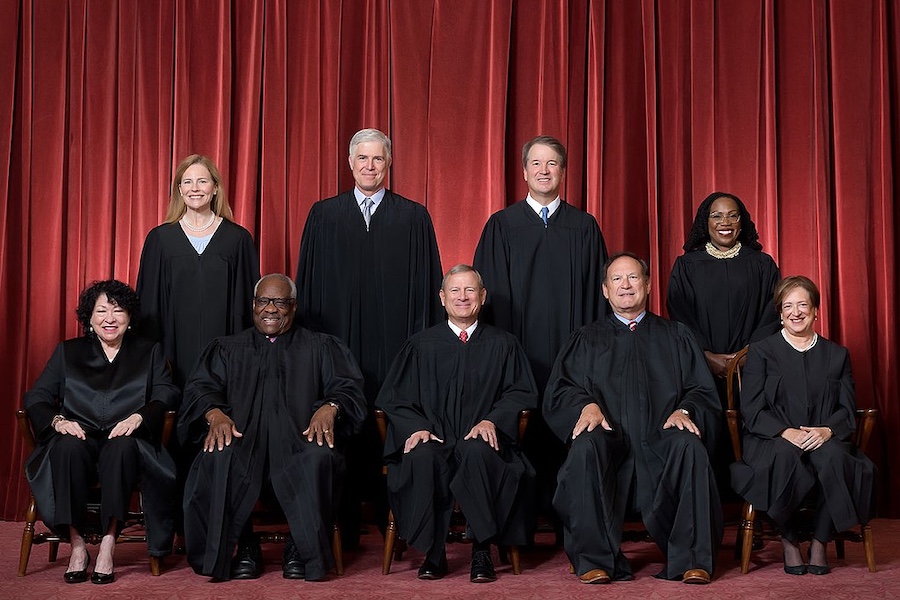
The Supreme Court handed internet providers a major win Wednesday, unanimously ruling that Sony can’t hold Cox Communications liable for failing to boot users accused of pirating music.
Justice Clarence Thomas, writing for the court, said a lower court went too far in seeking to impose copyright damages on Cox for its customers’ actions. While the ruling itself was unanimous, two liberal justices declined to sign onto Thomas’ broader reasoning.
“Under our precedents, a company is not liable as a copyright infringer for merely providing a service to the general public with knowledge that it will be used by some to infringe copyrights,” Thomas wrote.
The court‘s decision raises the bar for suing internet providers. Thomas said companies must actually intend for their services to be used for piracy or design them for illegal activity before they can be held liable.
Sony and other music labels filed the lawsuit in 2018, accusing Cox of ignoring repeated warnings about chronic copyright violators. The case centered on roughly 57,000 customer accounts that Sony claimed were responsible for more than 10,000 infringements and were never cut off.
The fight has rattled both the music and telecom industries for years, especially after a jury slapped Cox with a $1 billion verdict. It also drew attention from free speech and civil liberties groups concerned about broader consequences for platforms like bookstores and social media companies.
“The Supreme Court’s unanimous opinion is a decisive victory for the broadband industry and for the American people who depend on reliable internet service,” Cox said in a statement. “This opinion affirms that Internet service providers are not copyright police and should not be held liable for the actions of their customers — and after years of battling in the trial and appellate courts, we have definitively shut down the music industry’s aspirations of mass evictions from the internet.”
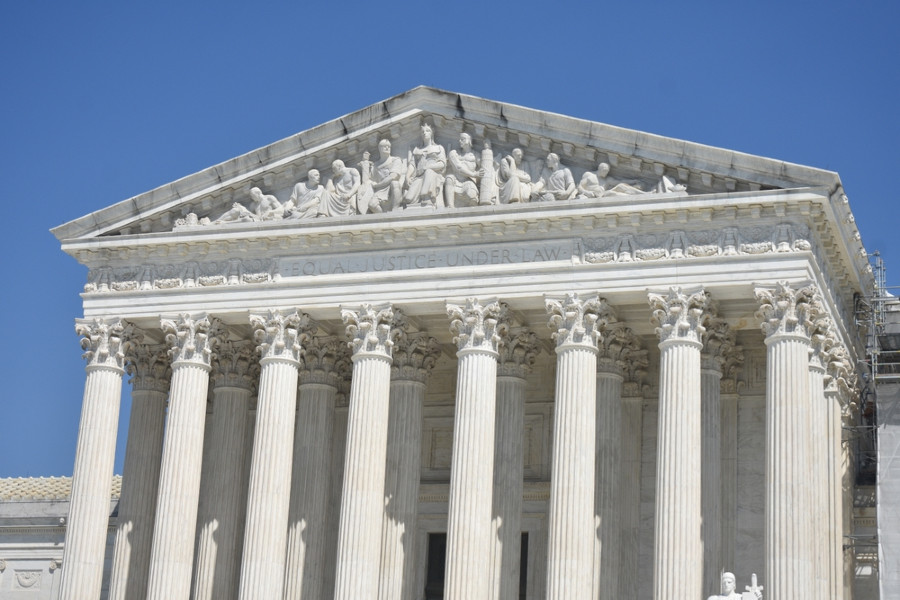
United States Supreme Court
Sony did not immediately comment.
The high court took up the case after the U.S. Court of Appeals for the 4th Circuit threw out the $1 billion award in 2024. But that ruling didn’t fully clear Cox.
The appeals court said Cox could still be liable under a “contributory” infringement theory, finding the company might owe damages for specific users it knowingly allowed to keep infringing.
Cox pushed back, warning that the standard would have sweeping consequences. The company said it doesn’t profit from piracy, doesn’t promote it, and explicitly bans it under its terms of service.
Even with Wednesday’s win, the court wasn’t entirely unified on the reasoning.
Justice Sonia Sotomayor, joined by Justice Ketanji Brown Jackson, said Thomas went too far in narrowing liability.
“The majority’s artificial limiting of secondary liability is supported by neither precedent nor statute,” Sotomayor wrote.
Cox also had support from the Trump administration, which argued that holding providers liable could disrupt access to the internet on a massive scale.
“The decision below does not distinguish between a single user’s account, a family account with multiple members, a university account shared by thousands of students, or a regional ISP that uses Cox’s services to provide internet access to tens of thousands on a single account,” the administration wrote in court filings.
Download the FREE Trending Politics App to get the latest news FIRST >>
