
Politics
U.S. Embassy Orders Americans To Leave Another Middle East Country As Tensions Escalate
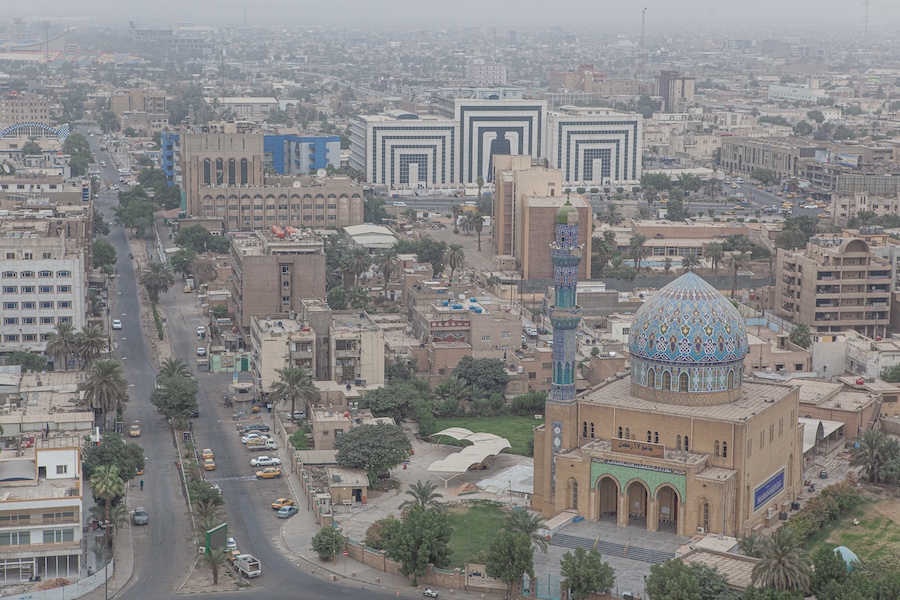
The U.S. Embassy in Baghdad has issued an urgent security alert warning Americans in Iraq to leave the country as soon as possible as the rapidly expanding conflict between the United States and Iran begins to spill across the Middle East. In a statement released Wednesday, embassy officials said the U.S. government had already ordered nonessential personnel to depart the country due to the growing risk of armed conflict.
“U.S. citizens in Iraq are strongly encouraged to depart as soon as they are safely able to do so,” the embassy said. “If safe to do so, Americans should leave Iraq now.”
The warning comes as tensions across the region intensify following the launch of Operation Epic Fury, the joint U.S.-Israel military campaign targeting Iran’s nuclear and missile infrastructure that began on February 28.
Iran has since retaliated with missile and drone attacks across the Middle East, raising fears that the conflict could spread to multiple countries where U.S. forces or personnel are present. The embassy said all U.S. mission staff in Iraq are currently operating under shelter-in-place orders and urged American citizens who cannot immediately leave the country to do the same.
“To the extent possible, remain in your residence, hotel, or another structure, and stay away from windows,” the alert warned.
Officials also told Americans to stockpile food, water, medications, and other essential supplies in case conditions deteriorate further. The security warning also cited rising anti-American unrest in Iraq, particularly in Baghdad.
According to the embassy, riots and demonstrations targeting the United States have erupted near major government areas including Tahrir Square and the southern side of the July 14 Bridge.
“These events have been characterized by violence, and calls are increasing to organize more demonstrations in various parts of Iraq,” the embassy said.
Iraqi authorities have also closed the International Zone in central Baghdad, an area that houses many government buildings and foreign embassies, as security concerns mount. Under the heightened alert level, the U.S. Embassy in Baghdad and the Consulate General in Erbil have suspended all routine consular services until further notice.
Americans were also warned not to travel to the embassy compounds due to the current security restrictions. Complicating the situation further, Iraq’s airspace is currently closed, making it difficult for civilians to leave the country by air.
While some major roads and border crossings remain open, the embassy warned those routes could close with little notice. Americans attempting to leave Iraq over land may try to cross into neighboring countries including Turkey, Jordan, Kuwait, or Saudi Arabia, though officials cautioned that travelers should expect long delays. The State Department also warned that Iran and Iranian-backed militias operating in Iraq continue to pose a major threat.
“U.S. citizens in Iraq… should be aware of the risks of missiles, drones, and rockets in Iraqi airspace,” the alert said.
The evacuation warning comes during one of the most dangerous periods in the region in years.
Earlier Wednesday, a U.S. submarine reportedly sank an Iranian naval frigate near Sri Lanka, marking the first time since World War II that an American submarine has destroyed an enemy warship in combat. At the same time, NATO defenses intercepted an Iranian ballistic missile headed toward Turkish airspace, marking the first direct threat to NATO territory since the conflict began.
Iran has also launched attacks against U.S. bases and allies across the Persian Gulf, including strikes that reportedly killed six American soldiers in Kuwait earlier this week. The State Department currently maintains a Level 4 travel advisory for Iraq, its highest warning level, urging Americans not to travel there due to terrorism, kidnapping, armed conflict, and civil unrest.
Officials stressed that while the U.S. government will continue providing information to Americans in the country, it cannot guarantee their safety as the regional conflict continues to escalate.
