
Politics
U.S. Restores Diplomatic Ties With Venezuela In Historic Agreement
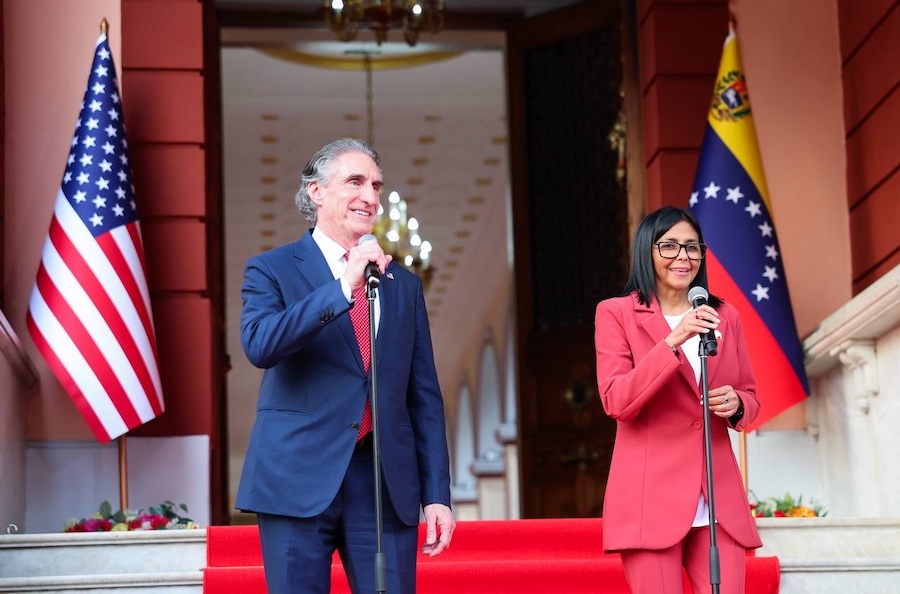
The United States and Venezuela have formally agreed to restore diplomatic and consular relations, marking a significant shift in their bilateral ties after years of tension.
The announcement was formally made on Thursday after several weeks of improving relations, which started after the capture of former Venezuelan dictator Nicolas Maduro in a daring raid last month.
Diplomatic relations between the two countries were last in place until January 2019, when the U.S. recognized opposition leader Juan Guaidó as Venezuela’s interim president amid disputes over the legitimacy of Nicolás Maduro’s re-election. In response, Maduro’s government severed ties, leading to the closure of the U.S. Embassy in Caracas and Venezuela’s embassy in Washington, D.C.
Consular services were suspended, and diplomatic personnel were withdrawn as a result of the move. This limited interactions between the two countries to indirect channels, while the U.S. placed extensive economic sanctions on Maduro’s regime.
Formal rapprochement began in the days following Maduro’s capture, when Delcy Rodríguez, Maduro’s vice president, was sworn in as acting president and quickly signaled openness to dialogue. On January 9, the Venezuelan government issued a statement indicating the start of an “exploratory diplomatic process” with the U.S., aimed at re-establishing diplomatic missions in both countries.
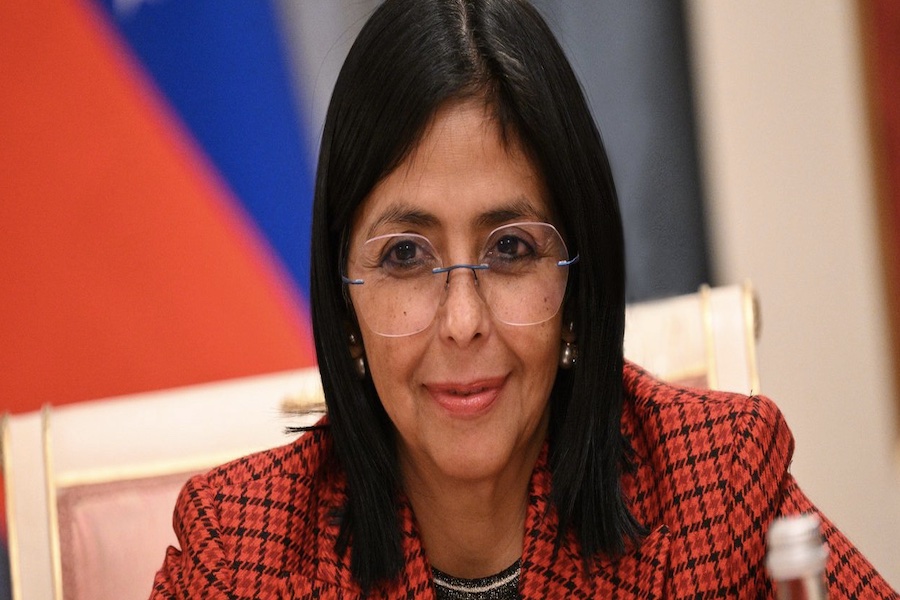
Then-Venezuelan Vice President Delcy Rodriguez meets with the Russian government in September 2024
By late January, the U.S. notified Congress of plans to implement a phased approach to resuming embassy functions, including sending temporary staff for select diplomatic activities. Discussions expanded to include economic cooperation, particularly in energy and mining sectors, as the Trump administration sought to reduce reliance on foreign sources for critical minerals and oil.
In February, the U.S. Embassy in Caracas reopened for limited operations, and Venezuela released several political prisoners as part of reconciliation efforts.
These moves paid the way for the most high-profile milestone to date, when U.S. Interior Secretary Doug Burgum visited Caracas for two days. The secretary met with President Rodriguez and representatives from U.S. mining and energy firms, with talks centered on investment opportunities and security assurances for foreign companies operating in Venezuela’s mineral-rich regions.
“When we are working together it can only mean two things, which is prosperity for the people of Venezuela and for the citizens of the United States, and it also brings peace and stability for the world,” Burgum said following the meeting.
The restoration of relations is expected to facilitate phased improvements in areas such as visa services, trade, and security cooperation. The agreement aligns with U.S. goals of fostering a democratic transition, which could soon lead to easing of sanctions and more detailed framework on economic agreements.
RELATED: Iran Fires Ballistic Missile At NATO Country In Major Escalation
