
Politics
US Ally Moves To Engage Iran Amid Rising Conflict
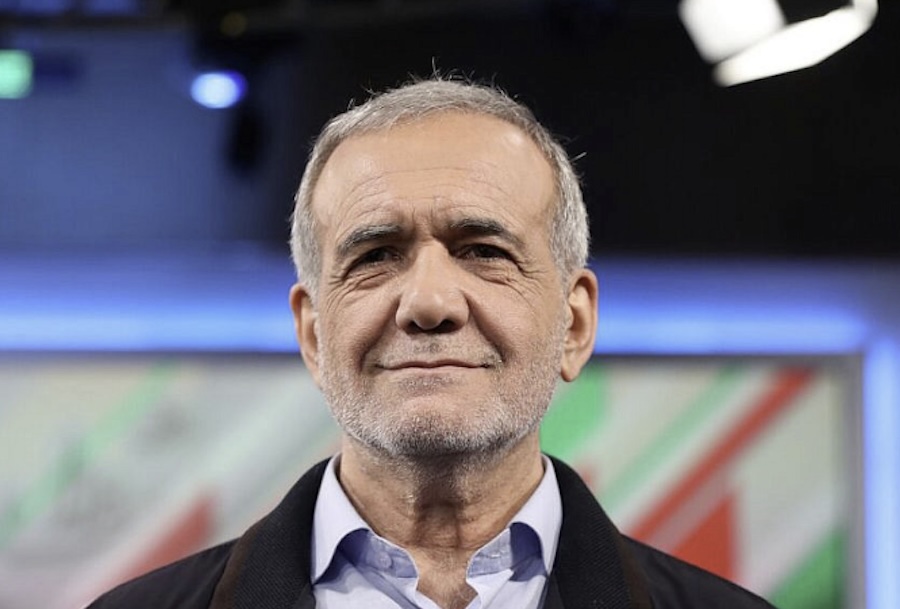
French President Emmanuel Macron is set to speak Tuesday with Iranian President Masoud Pezeshkian in a high-stakes diplomatic push to ease rising tensions across the Middle East.
The planned call comes as instability continues involving Iran, the United States, Israel, and several Gulf nations, with global leaders increasingly urging restraint and a return to negotiations.
Macron has emerged as one of the most prominent Western leaders advocating diplomacy over escalation. In recent weeks, he has held multiple conversations with Pezeshkian and other world leaders, consistently calling for dialogue.
During a similar round of talks in April, Macron urged both Iran and the United States to resume negotiations that had been paused amid rising hostilities, stressing the need to “avoid any further escalation.”
Macron confirmed the upcoming call shortly before it was set to take place, noting that it was requested by Pezeshkian.
“France has maintained a consistent position from the start. We call for the cessation of all hostilities, the return to diplomatic negotiations, and respect for all countries in the region,” Macron said. “Tthe only possible option is the reopening of the Strait of Hormuz … and the absence of any tolls or coercive measures.”
Chisinau, Moldova – august 27, 2025: French President Emmanuel Macron during an official visit to the Republic of Moldova.
“Any unilateral escalation against tankers, container ships, or third countries is a mistake that fuels war and leads to escalation,” he added.
Tensions in the Strait of Hormuz remain a central flashpoint, threatening the already fragile ceasefire between the U.S. and Iran. On Monday, two U.S. Navy destroyers successfully transited the strait while fending off a barrage of small boats, missiles, and drones.
The United Arab Emirates also intercepted more than a dozen missiles launched from Iran the same day.
President Donald Trump has warned that Iran will be “blown off the face of the earth” if attacks on U.S. ships continue in the strait, underscoring the stakes surrounding the waterway.
Tuesday’s call is expected to follow a familiar pattern. France has repeatedly pushed for strict adherence to ceasefire agreements and has stressed the importance of reopening key global trade routes like the Strait of Hormuz. Macron has argued that ensuring free navigation there is critical not only for regional stability but also for the global economy.
His outreach also reflects broader European concern over the trajectory of the conflict. While the United States and Israel have taken a more aggressive military posture, France and other European powers have sought to balance security concerns with diplomatic engagement.
Macron has warned that continued escalation could have “serious consequences” for global peace and has urged Iran to engage in “good faith” negotiations over its nuclear program and regional actions. Pezeshkian, who took office following Iran’s 2024 presidential election, has signaled openness to renewed talks with the West, particularly around reviving nuclear agreements that could ease sanctions.
At the same time, Iran has maintained firm positions on its missile program and regional influence, key sticking points in any negotiations.
The timing of the call is significant. The region remains volatile, with intermittent strikes, threats to shipping lanes, and ongoing fears of a broader conflict. France has also deployed military assets in what it describes as a “strictly defensive” posture to protect its interests and allies, highlighting how close the situation has come to wider escalation.
While a major breakthrough appears unlikely, the call represents another effort to keep communication channels open at a time when direct dialogue has become increasingly strained.
