
Politics
WATCH: Notorious Reporter Melts Down During Interview With Top Podcaster
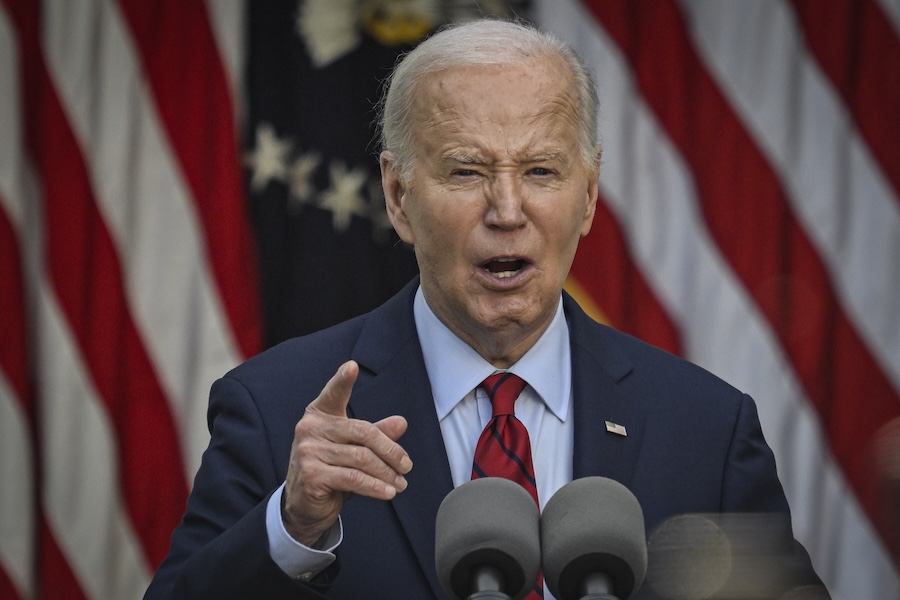
A fiery exchange between political journalist Mark Halperin and former Washington Post fact-checker Glenn Kessler created new debate over media bias and the press’s reluctance to confront former President Joe Biden’s apparent cognitive decline.
The interview — part of Halperin’s Next Up series with top podcasters — centered on Kessler’s controversial 2022 “fact check” defending Biden after videos of the president’s public appearances began circulating widely in conservative media. Those clips showed Biden appearing lost, distracted, or confused in high-profile moments.
One viral example involved Biden seemingly wandering away during a ceremony before speaking with members of a parachute demonstration team. Critics saw it as another sign of mental decline. But Kessler’s fact check dismissed the RNC’s framing, claiming the video had been misleadingly edited and that Biden had, in fact, been engaging with the parachutists.
Halperin wasted no time pressing Kessler on the broader implications.
“When you write that, people say the Washington Post is saying that video is not reflective of Joe Biden’s cognitive decline. That’s what people take from it,” Halperin told him.
Kessler insisted his fact check addressed only the accuracy of that specific clip and was “a complement to news coverage, not a supplement.” He pointed out that the Post had published opinion pieces questioning Biden’s age and reelection bid, but admitted that efforts inside the newsroom to examine whether Biden was showing cognitive decline never came together.
“It never came together because we couldn’t get enough people on the record,” Kessler acknowledged. “Yes, in retrospect, one could say, God, that was a real missed opportunity.”
WATCH:
Dropping soon: an explosive new @NextUpHalperin.@MarkHalperin interviews with @GlennKesslerWP, former Washington fact checker.
WATCH: Kessler’s stunning justification of his Biden “Deepfake” fact check.
Stay tuned for MUCH more… pic.twitter.com/Lo78lvWHtI
— Next Up with Mark Halperin (@NextUpHalperin) August 7, 2025
Halperin pressed further, citing moments like Biden addressing a deceased congresswoman during a public event. He questioned why such incidents — which to many Americans appeared alarming — were not sufficient to warrant a full investigative report on the former president’s mental state.
Kessler dodged specifics, saying he couldn’t “get too deep in the weeds” about internal Post deliberations but confirmed there had been “a lot of effort to produce the story” Halperin was asking about.
The exchange grew tense as Halperin challenged the effect Kessler’s fact check had on public perception.
“You are saying in that column to any normal reader, the Washington Post is saying the chatter of that cognitive decline is made up,” Halperin argued.
Kessler pushed back, framing his work as narrowly focused, but the moment revealed the friction between fact-checking as a technical exercise and the broader political narrative such work inevitably shapes.
During his time, Special Counsel Robert Hur noted “significant limitations” in Biden’s memory, while authors and former aides described instances of confusion and a deliberate avoidance of cognitive testing for political reasons.
For conservatives, the interview served as a prime example of what they’ve long alleged: that major news outlets apply kid-glove treatment to Biden while aggressively scrutinizing President Donald Trump. Kessler even acknowledged that while the left spends considerable time speculating about Trump’s mental state, the Post hesitated to make similar judgments about Biden without airtight sourcing.
