
Politics
Italy Stabs America In The Back, Refuses To Allow US Aircraft To Land
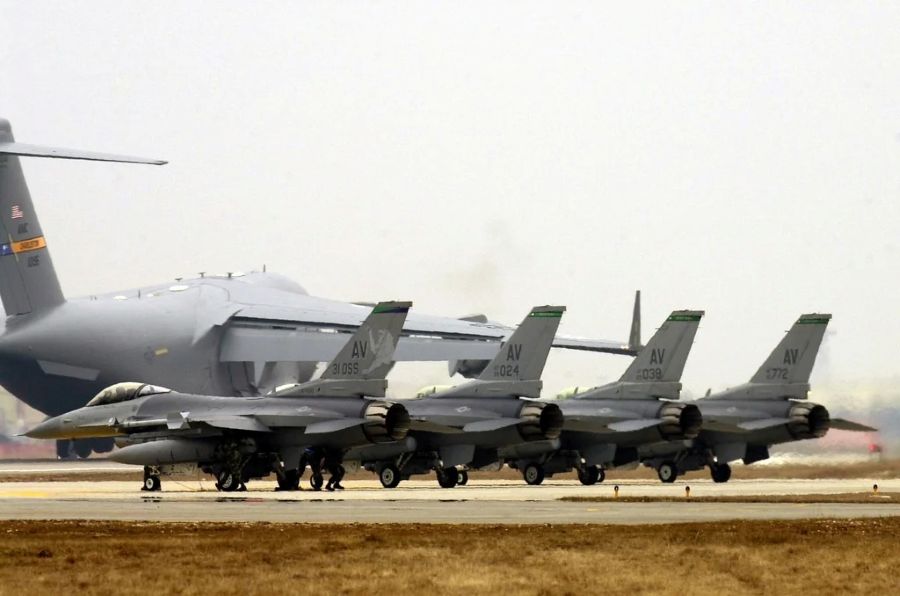
Italy has reportedly blocked U.S. military aircraft from landing at a key Sicilian air base as American forces surge toward the Middle East, according to a source familiar with the situation.
The denial, which confirms reporting by Corriere della Sera, involves “some US bombers” that were expected to stop at a base in eastern Sicily before continuing on. The source, who was not authorized to speak publicly, did not disclose how many aircraft were affected or exactly when Rome delivered the refusal.
The report said the issue was procedural as much as political: The U.S. allegedly did not seek prior authorization and failed to consult Italy’s military leadership, a step required under agreements governing American operations at bases on Italian soil. Italy’s defense ministry has not publicly commented.
The move comes as pressure mounts inside Italy’s parliament, where center-left opposition parties are urging restrictions on U.S. access to Italian facilities to keep the country out of widening conflict tied to the war with Iran. Prime Minister Giorgia Meloni’s right-wing government has said it would seek parliamentary authorization if such requests arise.
RELATED: JUST IN: US Military Deploys 1,500 Troops From Elite Unit To Middle East
Italy’s reported refusal follows a tougher posture from another NATO country. Spain has closed its airspace to American aircraft involved in military operations against Iran, a shift that goes beyond Madrid’s earlier objections to using jointly operated bases.
Defence Minister Margarita Robles confirmed Spain’s decision Monday: “We don’t authorise either the use of military bases or the use of airspace for actions related to the war in Iran,” she told reporters in Madrid.
RELATED: Middle East Powers Pulling Away From Iran
Spanish newspaper El Pais first reported the move, describing it as a reroute that forces U.S. aircraft to fly around Spain on the way to the Middle East, while still allowing exceptions for emergencies. Spain’s economy minister, Carlos Cuerpo, defended the policy in an interview with Cadena Ser, saying: “This decision is part of the decision already made by the Spanish government not to participate in or contribute to a war which was initiated unilaterally and against international law.”
For Washington, the message from parts of Europe is blunt: even as the U.S. pushes to secure routes and bases in a high-stakes regional fight, some allies are tightening the screws, limiting options and forcing longer, more complicated flight paths at a moment when speed and access matter.
Download the FREE Trending Politics App to get the latest news FIRST >>
