
Politics
Trump Signs Major Bill Funding Immigration Enforcement Through 2029
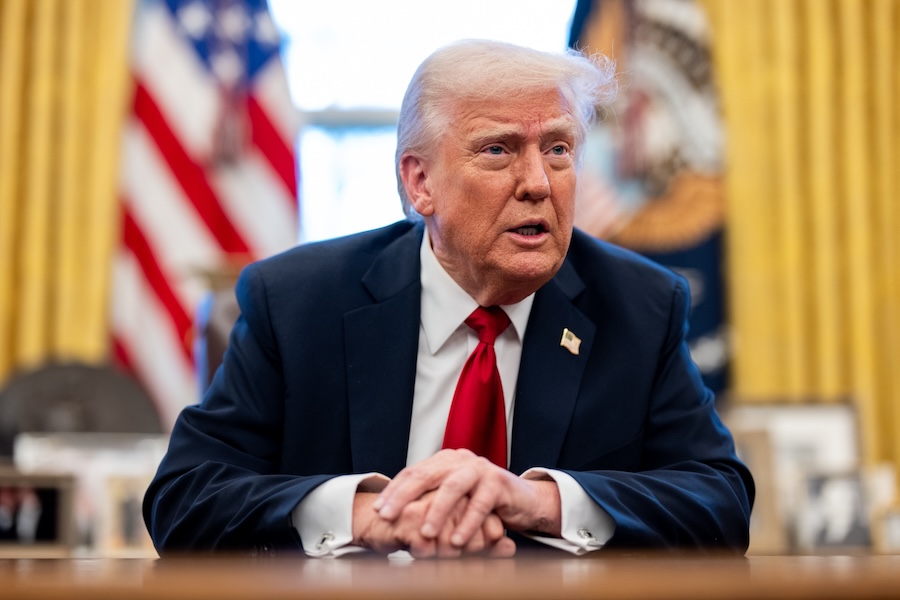
President Donald Trump signed a $70 billion immigration enforcement funding bill into law on Wednesday, delivering one of the largest single investments in federal immigration enforcement in modern U.S. history and securing funding for Immigration and Customs Enforcement (ICE) and the U.S. Border Patrol through the remainder of his term in office.
The legislation, known as the Secure America Act, provides long-term funding through 2029 and marks a major victory for the Trump administration after months of intense political fighting in Congress. The bill was approved by the House of Representatives on a narrow 214-212 vote after previously clearing the Senate.
Republicans used the budget reconciliation process to pass the measure without Democratic support, allowing the legislation to move forward with a simple majority vote. The final signing ends a lengthy battle over Department of Homeland Security funding that had dominated debate on Capitol Hill for months.
Under the legislation, approximately $38 billion will go to ICE, while another $26 billion will be directed to Customs and Border Protection and the Border Patrol. An additional $5 billion has been set aside for unforeseen operational costs and other Homeland Security priorities.
The funding is intended to support Trump’s aggressive immigration enforcement agenda, including increased deportation operations, expanded detention capacity, additional personnel hiring, and enhanced border security infrastructure. Administration officials have argued that the legislation is necessary to ensure federal immigration agencies have the resources needed to carry out enforcement operations without having to return to Congress every year for additional appropriations.
WATCH:
By front-loading several years of funding into a single package, the White House says ICE and Border Patrol can plan long-term operations and expand staffing levels to meet the administration’s goals. Republican leaders celebrated the bill as a major step toward securing the southern border and restoring immigration enforcement.
House Speaker Mike Johnson described the legislation as ending what Republicans characterized as a prolonged funding standoff that had hampered immigration enforcement efforts. GOP lawmakers argued that voters elected President Trump with a mandate to crack down on illegal immigration and that Congress was obligated to provide the resources necessary to fulfill those promises.
“With today’s vote, House and Senate Republicans have officially ended the third Democrat government shutdown of this Congress,” Johnson said.
“All that Democrats have achieved by their shutdown is a useful reminder to the American people of their support for open borders and keeping criminal illegal immigrants in American communities – policies that have been soundly rejected by the American people over and over again. We hope this episode serves as a future reminder to Democrats that when they shut the government down, they will receive less than nothing in return,” he added.
The legislation emerged from a dispute over immigration policy that had contributed to a months-long funding impasse. Democrats had sought a variety of reforms and accountability measures for federal immigration agencies, including additional oversight requirements and restrictions on enforcement activities.
Those proposals were ultimately left out of the final bill, leading nearly unanimous Democratic opposition in both chambers.Democratic lawmakers criticized the legislation as an unprecedented expansion of federal immigration enforcement powers.
Several controversial provisions that had delayed negotiations were removed before final passage. Among the measures excluded from the final legislation were proposals related to White House security upgrades and a separate compensation fund that had generated criticism from both parties. Their removal helped clear the way for final approval.
Immigration enforcement was a central issue in his successful 2024 presidential campaign, and the administration has repeatedly pointed to declining border crossings and expanded enforcement efforts as evidence that its policies are working. By securing nearly $70 billion in funding through 2029, the White House has ensured that its immigration agenda will have substantial financial backing for years to come.
RELATED: Fights Breaks Out After Karmelo Anthony Verdict Is Announced
