
Politics
NEW: Iran Panics As ‘D-Day’ Sanctions Further Cripple Reeling Economy
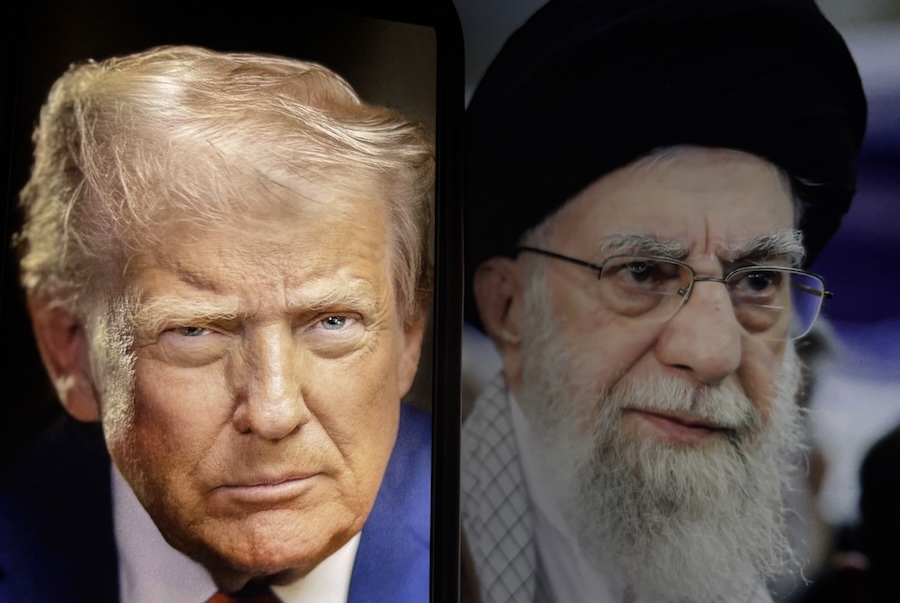
Iran is urging countries around the world to ignore a sweeping new U.S. sanctions campaign as President Donald Trump turns up the economic pressure on Tehran and seeks to squeeze the regime’s remaining sources of cash.
Iran’s Foreign Ministry on Friday called on “all countries” to refuse enforcement of the latest American sanctions, warning that compliance would amount to “complicity” in imposing the “illegal will” of the United States.
The plea came just days after the White House unveiled what it dubbed an “economic D-Day” campaign targeting countries and companies that continue doing business with the Islamic Republic.
The Trump administration is increasingly shifting from battlefield pressure to an economic chokehold after months of war, threatening governments and businesses that help Tehran skirt sanctions or maintain access to foreign markets.
Trump made clear Thursday that Washington is in no rush to return to the negotiating table.
“We don’t want to speak to them. We’re not looking to meet or anything.”
Iranian Foreign Minister Abbas Araghchi struck a different tone Friday, insisting that “putting diplomacy back on track isn’t impossible.”
Araghchi said Tehran held “creative discussions” with Qatari officials over reopening a safe transit route through the Strait of Hormuz, but argued that any renewed negotiations with Washington “hinges on U.S. understanding of one simple fact: pressure doesn’t work.”
He added, “The U.S. should build trust, speak respectfully, acknowledge our rights, and uphold commitments.”
The comments come as Iran’s economy faces mounting pressure from sanctions, disrupted trade and months of conflict.
Tehran’s call for other countries to reject U.S. sanctions underscores just how heavily the regime depends on foreign governments and commercial networks to keep money and goods flowing.
Oil markets were also closely watching the situation Friday as traders monitored the slow return of shipping through the Strait of Hormuz.
Brent crude futures for October delivery slipped to about $89.63 per barrel, while U.S. West Texas Intermediate futures fell to roughly $83.11.
POLL: Will You Support Trump And His Candidates In The Midterms?
The strait remains one of the most important energy chokepoints in the world, and any disruption there can quickly ripple through global oil markets.
Iran has allowed what officials describe as a “temporary and limited” corridor for ships to pass through the waterway while negotiations over a broader reopening continue.
Mohsen Rezaei, secretary of Iran’s Supreme National Security Council, said Thursday that Tehran is tying any lasting agreement over the Strait of Hormuz to much broader regional demands.
🚨 JUST IN: Treasury Secretary Scott Bessent DROPS this line on Iran after launching economic D-Day
HE’S WATCHING THEIR ASSETS 🔥
“As the Iranian people struggle to afford basic necessities, the CORRUPT regime continues to squander enormous sums abroad!”
“Instead of funneling… pic.twitter.com/k38enDkKbZ
— Eric Daugherty (@EricLDaugh) August 27, 2026
According to Rezaei, Iran wants an end to conflicts and military operations in Lebanon, Gaza and Syria as part of any understanding with Washington.
He also demanded that Israel withdraw from Lebanon and halt attacks on Syria.
Rezaei said Washington must “prove its seriousness” before Iran will consider rebuilding trust.
RELATED: Iran Joins Mideast Nation To Propose Temporary Plan For Strait Of Hormuz
The demands suggest Tehran is attempting to use the critical shipping lane as leverage over a much wider list of regional disputes.
Oman and Iran have also discussed establishing a temporary joint shipping route through the strait and clearing mines from the crucial oil corridor.
But U.S. Central Command offered a very different version of events Thursday.
Adm. Brad Cooper, commander of U.S. Central Command, credited American forces with helping clear mines and restoring shipping access.
Cooper said U.S. forces had helped facilitate the transit of approximately 1,500 commercial vessels carrying an estimated 750 million barrels of crude oil over recent months.
“Today, international shipping lanes are open, and momentum is building.”
Even so, traffic through Hormuz remains far below prewar levels.
RELATED: Iran’s Currency Plunges To Record Low As Leader Pledges To Win ‘Economic War’
Recent shipping data showed just five vessels crossed the strait Tuesday, compared with roughly 130 ships per day before the conflict began.
That collapse in traffic highlights the continued instability around the waterway and the pressure facing Iran’s economy.
There also appears to be little appetite in Washington to revive the previous negotiating framework.
The Wall Street Journal reported Thursday that the Trump administration is not interested in returning to the terms of the June memorandum of understanding with Tehran and instead wants to see whether the new economic pressure campaign forces Iran to make deeper concessions.
For now, Tehran is publicly insisting that pressure will fail while simultaneously appealing to foreign governments not to enforce Washington’s sanctions and trying to secure relief on trade and shipping.
The contradiction is becoming harder to ignore as Trump’s latest sanctions campaign tightens the screws on a regime already dealing with war damage, disrupted commerce and a shrinking number of economic escape routes.
POLL: Should Sanctuary Cities Be Banned From Federal Funding?
