
Politics
Iran Joins Mideast Nation To Propose Temporary Plan For Strait Of Hormuz
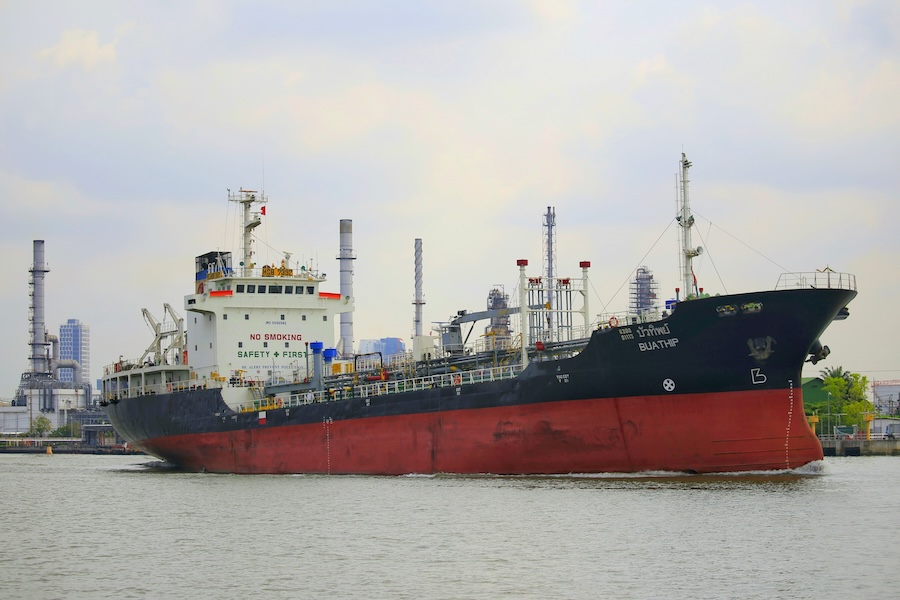
Iran and Oman have unveiled a proposed framework to restore shipping through the Strait of Hormuz, calling for a temporary navigation corridor and a joint operation to clear mines from one of the world’s most important waterways.
The proposal emerged Tuesday after Omani Foreign Minister Badr al-Busaidi traveled to Tehran for talks with Iranian Foreign Minister Abbas Araghchi. The two countries sit on opposite sides of the narrow strait and have been negotiating over how commercial traffic could safely resume following months of conflict and severe disruptions to global shipping.
According to a joint statement, the ministers discussed a phased plan designed to provide a “practical and implementable basis” for moving forward. The framework calls for the establishment of a temporary joint navigational corridor through the Strait of Hormuz while Iran and Oman work together on a project to clear mines from the waterway.
The temporary arrangement would not settle the larger dispute over the future of the strait. Technical negotiations are expected to continue over a permanent shipping corridor, traffic management, information sharing, security services and the long-term administration of the waterway.
Iran and Oman also called for consultations with other Gulf states and stressed that future arrangements should comply with international law while respecting the sovereign rights of coastal countries. The announcement came the same day President Donald Trump said the U.S. Navy had already removed or destroyed mines located in international waters in the strait.
#Joint_Statement between the Sultanate of Oman and The Islamic Republic of Iran ، following the consultations between the Foreign Ministers of the Sultanate of Oman and The Islamic Republic of Iran .
His Excellency Foreign Minister Sayyid Badr bin Hamad bin Hamood Albusaidi paid… pic.twitter.com/3LPDUEpNl2
— وزارة الخارجية (@FMofOman) August 25, 2026
“I have just been informed by the United States Navy that all mines have been removed and/or detonated from within International Waters of the Strait of Hormuz,” Trump wrote Tuesday on Truth Social.
Trump also issued a warning to Tehran, saying any Iranian ship or boat caught placing additional mines would be “immediately and systematically destroyed.” He said a “Zero Tolerance” policy was in effect and added that the U.S. Space Force was monitoring the waterway.
The conflicting announcements leave questions about precisely where mines remain and what areas would be covered by the proposed Iranian-Omani operation. Iran has not publicly disclosed how many mines were placed in the strait or their exact locations, making a comprehensive clearance operation difficult to independently verify.
Shipping through the Strait of Hormuz has remained heavily disrupted since the United States and Israel launched attacks against Iran on February 28 and Tehran responded by blockading the waterway. Washington subsequently imposed a naval counter-blockade targeting Iranian ports.
The stakes are enormous for global energy markets. Before the war, roughly one-fifth of the world’s traded oil moved through the Strait of Hormuz, making the narrow passage between Iran and Oman one of the most strategically important maritime chokepoints in the world.
Despite Tuesday’s diplomatic movement, Iran has indicated that an agreement with Oman would not automatically mean a full reopening of the strait. Tehran has previously demanded that Washington lift its naval blockade, ease oil sanctions and unfreeze Iranian assets before normal commercial traffic is restored.
For now, the proposed temporary corridor and joint mine-clearing effort represent a potential first step toward restoring safer commercial navigation.
