
Politics
Crude Oil Takes Turn Amid Huge Change In Strait Of Hormuz Traffic
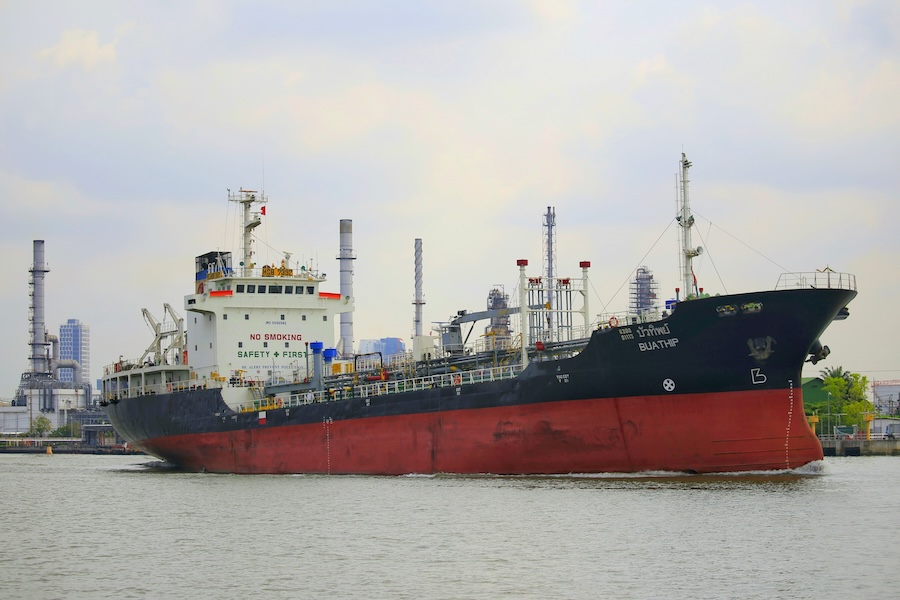
Crude prices sank Tuesday as traders bet on relief for oil shipments squeezed by war, with Saudi Arabia moving to restore a key export route and Iran floating a conditional reopening of the Strait of Hormuz.
The developments pushed major oil contracts to their lowest levels since Sept. 8, with attention also turning to President Donald Trump’s meetings with world leaders at the U.N. General Assembly this week.
Saudi Arabia has brought its East-West Pipeline back online, and crude exports from the Red Sea port of Yanbu could restart later Tuesday, three sources briefed on the situation told Reuters. Drone strikes knocked out the pipeline Sept. 13, bringing loadings at the port to a halt.

The kingdom has leaned more heavily on shipments through the Strait of Hormuz during the disruption. Tanker tracking data showed Saudi Aramco loaded roughly 14 million barrels of crude onto seven supertankers inside the Gulf on Sunday.
Iran, meanwhile, said it could reopen the strait within seven days if Washington reduced military pressure and ended its blockade of Iranian ports, a senior Iranian official told Reuters. The official said Tehran’s delegation in New York had full authority to restart diplomacy with the United States.
Before U.S.-Israeli attacks on Iran began in late February, roughly a fifth of the world’s oil and liquefied natural gas supplies passed through the waterway.
POLL: Will You Support Trump And His Candidates In The Midterms?
By 7:51 a.m. EDT, November Brent crude futures had dropped $2.11, or 2.1%, to $98.23 a barrel. October West Texas Intermediate futures, which expire Tuesday, fell $2.48, or 2.59%, to $93.30. The more heavily traded November WTI contract shed $2.36, or 2.55%, to $90.01.
All three contracts hit two-week lows during the session.
But the prospect of reopening shipping routes has yet to resolve the fuel shortages battering markets.
Ole Hansen, Saxo Bank’s head of commodity strategy, said further oil price declines would likely be limited until more supplies move through Hormuz, particularly refined products, where shortages are most severe.
RELATED: Oil Prices Make New Move Amid Weekend Developments In Iran
Diesel prices in Europe and the United States have surged to record highs as the wars in Iran and Ukraine curb exports from major producers, including Russia, Saudi Arabia and the United Arab Emirates.
Hamad Hussain, senior climate and commodities economist at Capital Economics, viewed Iran’s comments as a possible sign of diplomatic progress, while cautioning that an agreement could face additional hurdles.
“There may also be other obstacles, such as the issue of tolls and fees, to overcome before a lasting solution can be achieved,” Hussain added.
POLL: Should Trump Cut Off Aid To Countries That Side With Iran Over America?
