
Politics
NEW: Iceland Votes Against Joining The European Union
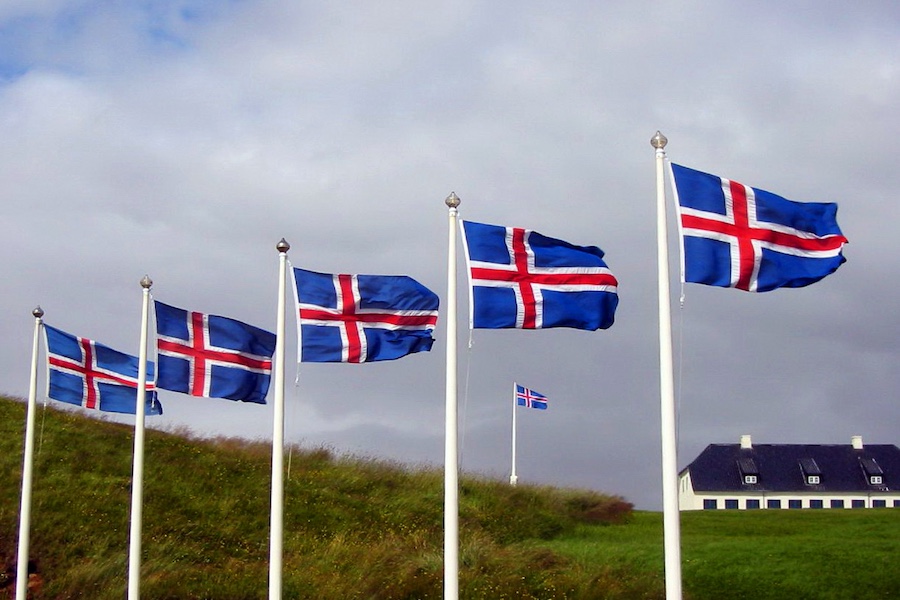
Voters in Iceland have rejected a national referendum on whether to resume European Union accession negotiations.
On the ballot, voters were asked whether the tiny Atlantic country should open new negotiations with the European Union. A “Yes” result would have authorized the government to reopen talks that had been suspended more than a decade earlier. Any eventual membership agreement would still have required approval in a separate referendum.
Iceland first applied for EU membership in July 2009 after a severe financial crisis. Accession negotiations began the following year but were formally suspended in 2013 by a government that pledged not to restart them without a public vote.
After the 2024 parliamentary election, a coalition led by Prime Minister Kristrún Frostadóttir of the Social Democratic Alliance, together with Viðreisn and the People’s Party, agreed to hold a referendum no later than 2027, which led to Saturday’s vote.
Final results showed 118,040 votes or 52.84 percent of the vote, against resuming negotiations and 105,339 votes or 47.16 percent, in favor. There were 223,379 valid votes and 1,652 invalid or blank ballots, according to a report from Euro News.
Of 272,690 registered voters, 225,031 participated, producing a turnout of 82.52 percent.
POLL: Should Foreigners Be Banned From Buying American Farmland?
Iceland voted against resuming talks to join the EU in a national referendum, with 52.8% voting against the proposal and 47.2% voting in favor.
Follow: @AFpost pic.twitter.com/l0BJfNDCCp
— AF Post (@AFpost) August 30, 2026
Campaign arguments centred on fisheries, sovereignty, and existing European arrangements. Iceland already participates in the EU single market through the European Economic Area and belongs to the Schengen Area. Supporters of renewed talks said full membership would give Iceland a vote on rules it currently implements without decision-making power, and that adopting the euro could reduce interest-rate volatility.
Opponents argued that membership would transfer control of fishing quotas and agricultural policy to the Common Fisheries Policy and other EU frameworks. Fisheries account for a substantial share of exports, and the sector’s history includes the Cod Wars of the 1950s–1970s. Approximately 90 percent of fishing-related companies opposed membership.
Prime Minister Frostadóttir, who campaigned for a Yes vote, said the government would honour the result and would not pursue accession talks during its current term, which runs until 2028. She described the turnout as a positive demonstration of public engagement and stated that the outcome indicated satisfaction with the existing EEA relationship.
The government further stated that parliament would later consider whether to submit a resolution formally withdrawing the 2009 membership application.
RELATED: Transgender American Who Fled Trump’s America Returns Home After Failed European Asylum
