
Politics
Red State’s DOGE Initiative Nets $1 Billion In Savings: ‘Just Getting Started’
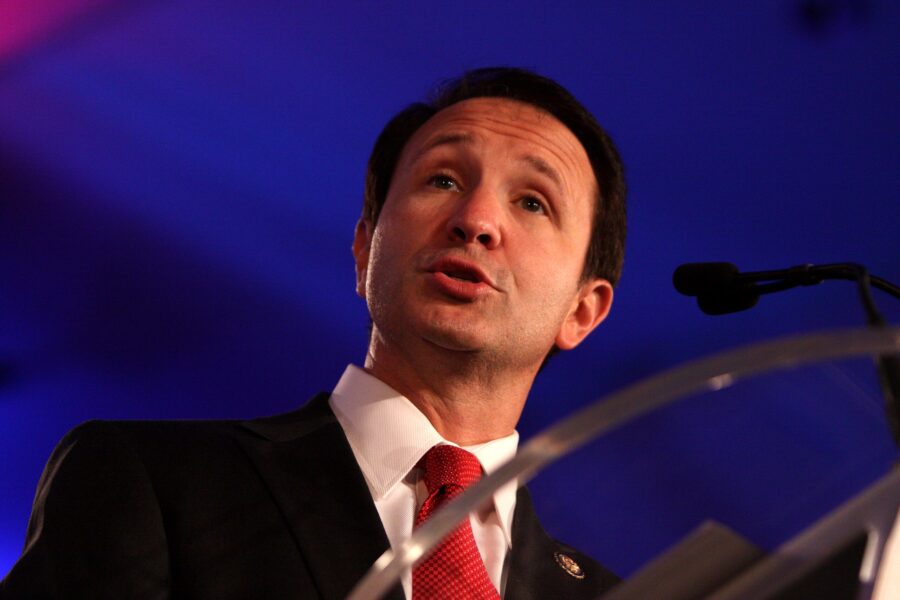
Lousiana Governor Jeff Landry announced that the state’s “Department of Government Efficiency,” commonly referred to as “LA DOGE” or the Fiscal Responsibility Program, has netted more than $1 billion in savings since it was launched in late 2024.
Modeled after the federal DOGE initiative launched by President Donald Trump and initially spearheaded by tech billionaire Elon Musk, the program was created to address perceived inefficiencies in state budgeting and service delivery. It was officially established through an executive order signed by Governor Landry on December 12, 2024.
The order established the program within the executive department of the governor’s office and emphasized the need for a more accountable and modern government structure amid rising budget levels and a shrinking population.
LA DOGE’s purpose, as outlined in the executive order, was to review and identify opportunities for cost reductions across various aspects of state operations. Its duties included evaluating current expenditures in the state budget, assessing state contracts for renewal, modification, or termination, and determining appropriate staff levels at departments and agencies to eliminate unnecessary vacancies.
The program also focused on implementing efficiencies to save state general fund dollars, reducing taxpayer burdens such as wait times for services, and leveraging technology to expedite processes while lowering costs, the governor’s order explains.
Led by Fiscal Responsibility Czar Steve Orlando, an oil and gas executive with prior private-sector experience, the initiative collaborated with Louisiana’s legislative leadership, the legislative auditor, and the commissioner of administration.
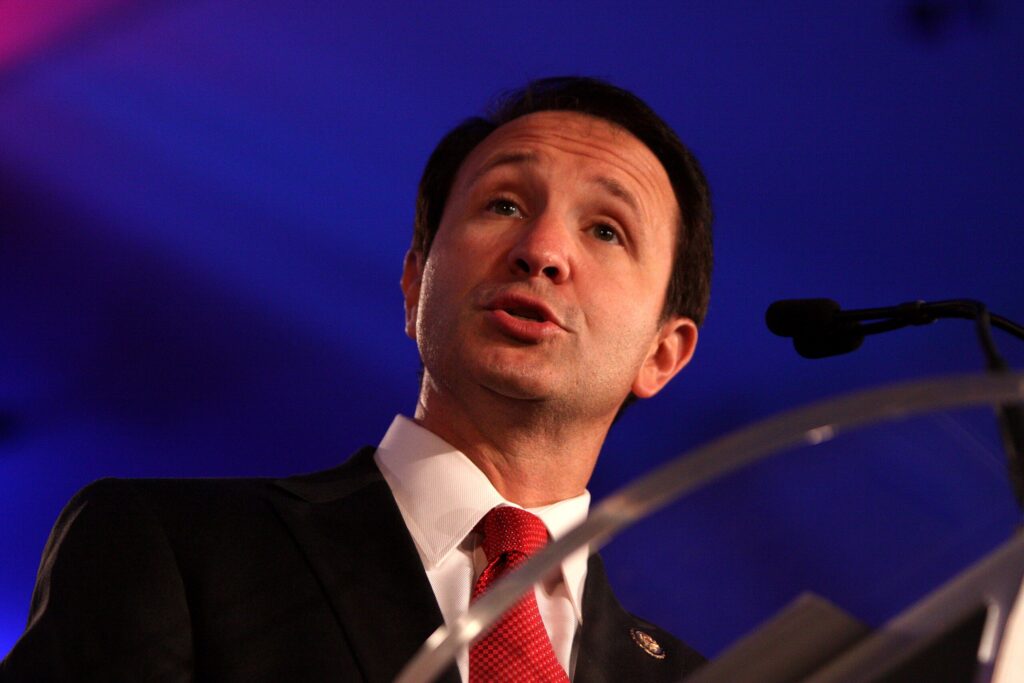
Then-congressman Jeff Landry speaks at the Republican Leadership Conference in New Orleans, Louisiana
Photo: Gage Skidmore
In practice, LA DOGE’s efforts spanned 17 state departments and involved specific measures such as improving eligibility determination processes for Medicaid and the Supplemental Nutrition Assistance Program (SNAP) to remove ineligible recipients. This included optimized monthly residency checks using data from the Office of Motor Vehicles.
Other activities encompassed renegotiating or canceling contracts, streamlining IT services, decommissioning outdated technology, reducing telecommunications and travel expenses, optimizing asset utilization and leases, and enhancing process efficiencies through workforce reorganization.
In total, the program achieved annual savings of $999.5 million in both federal and state tax dollars, without any reductions in services, Fox News reported after reviewing figures provided by Landry’s office.
This figure breaks down to $367 million from Louisiana’s state general fund, $601 million from federal tax dollars, and $65 million from other funding sources.
Detailed breakdowns include $407.6 million from process efficiency, service, and workforce optimization; $206.4 million from state and federal contracts; $285.5 million from Medicaid eligibility improvements; $14.9 million from SNAP eligibility; $68.4 million from technology services; $2.8 million from telecommunications; $1.3 million from travel and conferences; $9.6 million from asset utilization; and $3 million from leases, according to an analysis from local outlet WAFB.
Over half of the federal savings stemmed from removing ineligible individuals from Medicaid and SNAP programs.
“Our state government should be required to live within its means. We have a duty to protect (the taxpayers’) money,” Governor Landry announced in a statement. “Greedy people taking from needy people. Every dollar saved makes those programs stronger.”
Landry described the effort as “an unbelievably tremendous effort,” adding, “This is the dawn of a new state government.”
RELATED: Elon Musk Plans To Boost GOP With Massive Midterms Fundraising Push
