
Politics
Iran-Backed Terrorists Attack US Ally’s Airport In Major Escalation
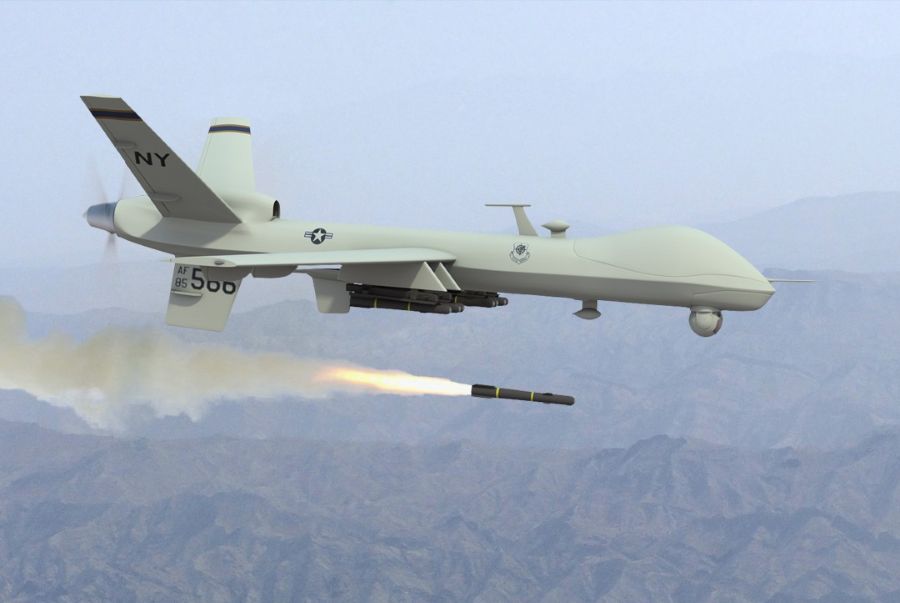
Iran-backed Houthi terrorists claimed Thursday that they launched drone attacks against an airport and a Saudi Aramco facility in Saudi Arabia, marking another dangerous escalation against one of America’s closest Middle East partners.
Houthi military spokesman Yahya Saree announced that the Yemen-based group had carried out two separate drone operations targeting Najran, a Saudi city near the Yemeni border.
Saree said the Yemeni Armed Forces “successfully carried out two drone operations” targeting “a sensitive Saudi enemy target at Najran Airport” and Aramco Najran.
He claimed both strikes “achieved their objectives successfully.”
Saudi Arabia had not publicly confirmed the attacks or reported damage as of Thursday afternoon, leaving the Houthis’ claims unverified.
The terrorist group said the operation was retaliation for alleged Saudi drone activity over Yemen’s Saada province, a longtime Houthi stronghold.
Saree said the attacks “came in response to the Saudi enemy’s violation of Saada Governorate’s airspace with its drones.”
“The Armed Forces will continue to protect Yemen’s sovereignty from any incursion and maintain this balance,” he added.
The latest claims come after weeks of rising tensions between Saudi Arabia and Iranian-backed forces operating across the region.
Earlier this month, Saudi officials said they were preparing for the possibility of coordinated strikes from Iran-aligned militias in Iraq to the north and the Houthis in Yemen to the south.
Intelligence gathered by Saudi Arabia, the United States and other regional partners reportedly pointed to possible attacks against critical infrastructure, including airports, ports and energy facilities.
That warning followed another burst of Houthi violence in Najran province.
Saudi military officials said earlier in August that Houthi attacks wounded 11 civilians near the Yemeni border, including a 4-year-old child.
The violence represented a renewed escalation after a 2022 truce had dramatically reduced direct fighting between the Houthis and Saudi Arabia.
Houthis claim DRONE STRIKES on Saudi airport and Aramco facility in Najran
Houthi spox Saree said two drones targeted ‘sensitive’ Saudi military facilities
Video: Al Masirah pic.twitter.com/cd9lCLo8CD
— RT Intl (@RT_on_X) August 20, 2026
The Houthis seized Yemen’s capital, Sanaa, in 2014, driving out the internationally recognized government and helping plunge the country into a brutal civil war.
Saudi Arabia intervened militarily in 2015 as the head of a coalition backing the government against the Iran-aligned rebels.
POLL: Will You Support Trump And His Candidates In The Midterms?
Tehran has long provided support to the Houthis, who have developed an arsenal of drones and missiles capable of striking far beyond Yemen’s borders.
The group has repeatedly targeted Saudi territory over the years, including airports, civilian areas and oil infrastructure.
Its attacks have also spread into critical international shipping lanes.
The United States has accused the Houthis of launching reckless attacks against merchant vessels in the Red Sea and Gulf of Aden, threatening civilian crews and disrupting global commerce.
Washington designated the Houthis as a terrorist organization under U.S. sanctions authorities after the group’s repeated attacks on shipping and regional targets.
RELATED: JUST IN: Iran Dealt Crushing Blow As Regime Loses ‘Significant Control’ Over Strait Of Hormuz
The threat to Saudi Arabia carries additional weight for the Trump administration.
President Donald Trump formally designated Saudi Arabia a major non-NATO ally in November 2025, further strengthening decades of military and economic cooperation between Washington and Riyadh.
The kingdom is also one of the United States’ largest defense partners in the world and plays a central role in American efforts to contain Iranian influence across the Middle East.
Thursday’s alleged attack also targeted Saudi Aramco, the state-controlled oil giant whose facilities have repeatedly been threatened by Iran-backed forces.
Attacks on Saudi energy infrastructure carry consequences far beyond the kingdom because of the country’s enormous role in global oil markets.
RELATED: REPORT: Russia Planning Attack On NATO Ally
One of the most dramatic examples came in 2019, when strikes against Saudi oil facilities at Abqaiq and Khurais temporarily disrupted a significant portion of the kingdom’s crude production.
The new Houthi claims come as Iran and its network of regional proxies face mounting pressure from the United States and its allies.
Saudi Arabia has attempted to avoid a wider regional war while strengthening defenses against missiles and drones, but the latest alleged strikes show how quickly that fragile balance could unravel.
Whether Thursday’s drones actually struck Najran Airport or the Aramco facility remains unconfirmed, but the Houthis’ decision to publicly claim attacks against both aviation and energy targets sends a clear message that the Iran-backed group is once again willing to directly challenge Saudi Arabia.
